
Cleanouts
Estate Cleanout Checklist
A step-by-step estate cleanout checklist for Macon, GA families: sorting keep/donate/dispose, working with family, timelines, and what a dumpster can and can't take.
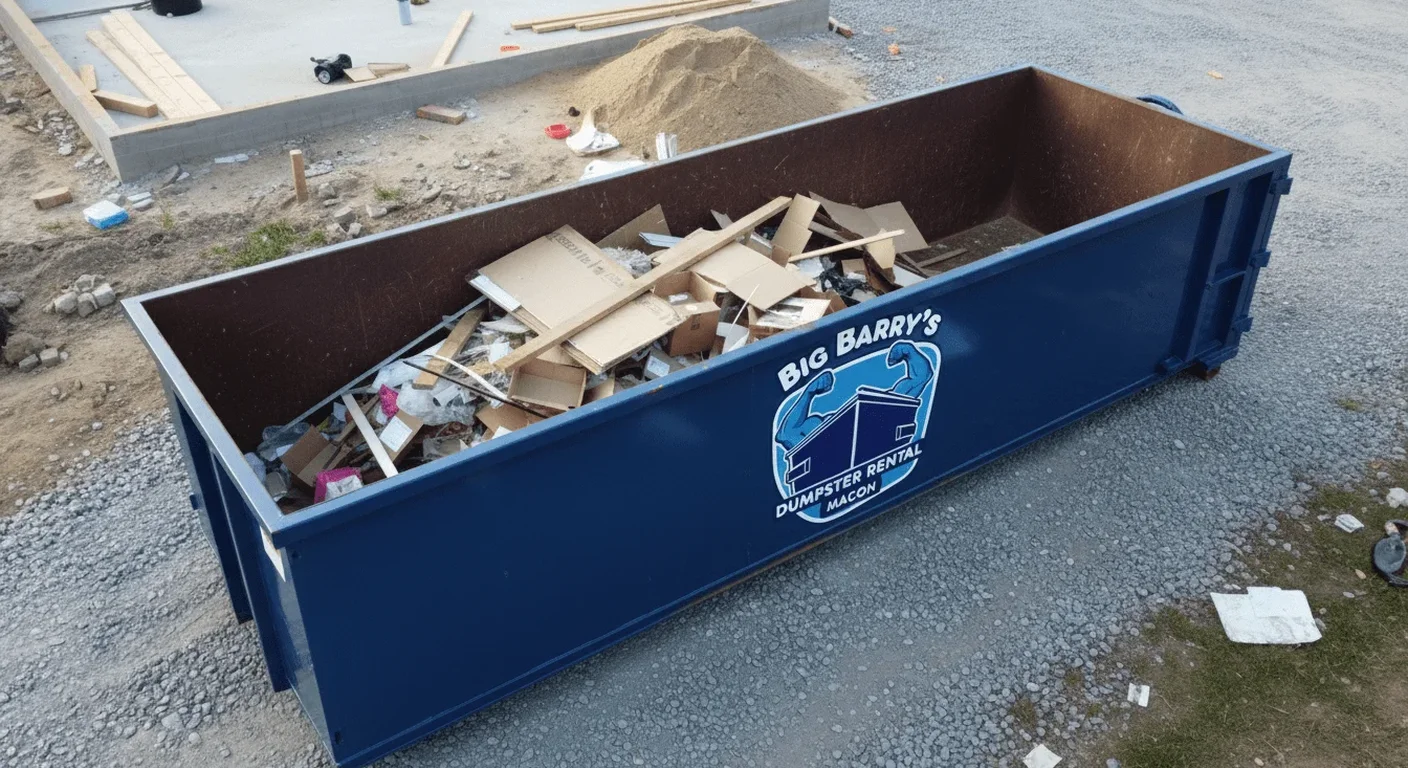
Clearing out a relative's home is one of those jobs nobody feels ready for. There's the grief, the deadline pressure from a closing date or a probate filing, and a house full of decades of belongings that all seem to need a decision at once. Whether you're handling a family estate on a shaded street in Vineville, a bungalow in Shirley Hills, a cottage in Ingleside, or a farmhouse out toward Lizella, the process is more manageable with a plan. This checklist walks through the same steps our crews see work over and over for Macon-Bibb families, from the first walkthrough to the final load leaving the driveway.
Why an Estate Cleanout Is Different From an Everyday Declutter
A normal garage cleanout is optional and unhurried. An estate cleanout usually isn't either of those things. There's often a closing date, a probate timeline, or a new owner waiting on keys. Add in furniture and keepsakes that carry real emotional weight, and it's easy to see why estate cleanouts stall out halfway through. Treating it like a project with defined phases, rather than one long overwhelming task, is what actually gets it done.
Step 1: Build a Realistic Timeline Before You Touch a Box
Before anyone opens a closet, sit down and map out how many weekends or days you actually have. Middle Georgia's hot, humid summers can make a house without central air feel brutal by early afternoon, so if the cleanout falls between June and September, plan sorting sessions for the morning and confirm the driveway or curb area is clear and accessible before your delivery date. Afternoon thunderstorms roll through often in the warmer months, so a covered porch or garage staging area for donation boxes is worth setting up ahead of time.
A Simple Phase-by-Phase Plan
Most families move through a cleanout in four rough phases: a walkthrough and inventory pass, room-by-room sorting, staging donations and sales, and a final debris haul. For a full weekend-by-weekend breakdown you can adapt to your own schedule, see our whole-home cleanout weekend plan. If the home is older or simply full, plan for the sorting phase to take longer than you expect — a classic early-1900s Vineville or Bealls Hill home, with a walk-up attic, a detached garage, and built-in cabinetry, almost always holds more than it looks like from the street.
Step 2: Sort Everything Into Four Piles
Resist the urge to make decisions item by item as you go. Instead, work room by room and sort everything into one of four categories before you move anything out of the house.
Keep
Photographs, documents, jewelry, and a small number of sentimental pieces belong here. Set a hard limit with the family up front — "one box per person" or "what fits in the car" — so this pile doesn't quietly absorb the whole house. Important paperwork deserves its own separate box entirely: deeds, insurance policies, and tax records are easy to lose track of in the middle of a busy sorting day, and they're the items you genuinely cannot replace.
Donate
Usable furniture, working small appliances, linens, and clothing in good condition can go to a local donation center or thrift store around Macon. Call ahead, since many donation sites won't take large furniture without a scheduled drop-off or pickup.
Sell or Appraise
Antiques, tools, and higher-value furniture are worth a second look before they leave the house. Older Macon homes in neighborhoods like Vineville and Shirley Hills have turned up more than a few surprise finds in closets, attics, and built-in cabinetry over the years, so it's worth having a knowledgeable eye look over anything that seems old or well-made before it's boxed up with everything else.
Dispose
Broken furniture, worn-out carpet, water-damaged boxes, old mattresses, and general household clutter that isn't worth donating or selling is what fills the dumpster. This is usually the largest pile by volume, even when it's the smallest by sentimental value.
Common Mistakes That Slow a Cleanout Down
A few habits reliably stretch a two-weekend cleanout into a month-long one. The biggest is sorting item by item instead of room by room — stopping to make a final decision on every object as you touch it turns a fast pass into a slow crawl. Another is renting a dumpster too small and then having nowhere to put the overflow, which is why it pays to size up a notch if the home has a crawlspace, attic, or detached garage you haven't fully inventoried yet. A third is putting off the "dispose" pile until the end, hoping it will shrink on its own. It won't — and a dumpster sitting empty in the driveway for the first week of a cleanout is a wasted rental day. Start filling it as soon as the first bag of trash or broken furniture comes out the door.
Step 3: Working With Family Without the Drama
Estate cleanouts are hard on relationships as much as they're hard on the back. A few habits keep the process civil: agree on the sorting categories before anyone starts, take photos of anything that's a candidate for a family disagreement, and give everyone a deadline to claim items before the "keep" pile gets boxed and either shipped or picked up. If siblings or family members are scattered outside Middle Georgia, a shared video call while walking through a room can substitute for everyone being there in person. Nobody needs to agree on everything — they just need a process everyone accepts as fair.
Step 4: Know What a Dumpster Can — and Can't — Take
A roll-off dumpster is built for volume: furniture, mattresses, box springs, carpet and padding, broken shelving, old appliances, yard debris from an overgrown lot, and general household clutter all load in without issue. Contents just need to stay below the top rim of the container.
What won't go in the dumpster: paint and solvents, motor oil, tires, batteries, hazardous chemicals, propane tanks or gas cylinders, and electronics like televisions and computer monitors, which are best kept out of a standard roll-off entirely. These need to go to a proper household hazardous waste or e-waste collection point instead — see our Bibb County recycling and disposal guide for exactly where those items go locally, or check Georgia EPD for state guidance.
The Macon Angle: Older Homes, Crawlspaces, and No Basements
A lot of estate cleanouts around Macon involve a home the family has owned for generations — a bungalow in Vineville passed down since the 1940s, a cottage in Shirley Hills or Ingleside, or a farmhouse out toward Lizella. These older properties tend to have more storage than a newer build, just not always where you'd expect. Unlike homes up north, most Middle Georgia houses were built without a basement — the clay soil and high water table around the Fall Line make basements uncommon here. Instead, expect a crawlspace under the house (usually not storage, but worth a flashlight check for anything left behind), a walk-up attic that's held decades of holiday decorations and boxes, and a detached garage or storage shed out back doing the job a basement would do elsewhere. It's also common in Middle Georgia for an older relative to be downsizing into assisted living or moving closer to family, which adds its own compressed timeline on top of the usual estate work. Either way, the same keep/donate/sell/dispose process applies — it just tends to take a bit longer once the attic and garage are factored in, so plan accordingly.
Choosing the Right Size for an Estate Cleanout
Most single-family estate cleanouts land in the middle of our size range. A smaller container works for a condo, a single room, or a light cleanout; a full single-family home with a garage, crawlspace, and attic usually calls for something larger. Our 20-yard dumpster is the size most Macon families land on for a full-house cleanout, while a 15-yard dumpster handles a smaller home, apartment, or single-room cleanout with less accumulated furniture.
| Cleanout Scope | Typical Size | Good Fit For |
|---|---|---|
| Single room, condo, or light cleanout | 15-yard | Apartments, small rentals, condos with minimal furniture |
| Full single-family home | 20-yard | Most Macon-Bibb estate cleanouts |
| Large home, garage, and outbuildings | 30-yard | Older homes with attics, crawlspace items, and detached garages |
| Whole property with heavy accumulation | 40-yard | Multi-generational homes, heavy accumulation, estate plus yard debris |
If the job is smaller — a few pieces of furniture and some boxes rather than a whole household — our junk removal service can be a better fit than a full roll-off. Either way, we're happy to talk through which option makes more sense for your situation when you call.
Local Disposal and Donation Resources
Macon-Bibb residents have several places to responsibly get rid of what a dumpster can't take. The Macon-Bibb County Solid Waste department, at sw.maconbibb.us, publishes current guidance on household hazardous waste, electronics, and yard debris drop-off — our Bibb County recycling and disposal guide walks through the details.
Getting Started
An estate cleanout is never going to feel like a small job, but it stops feeling impossible once it's broken into a timeline, a sorting system, and one clear place for everything that's leaving the house. We deliver dumpsters throughout Macon-Bibb County — Vineville, Shirley Hills, Ingleside, Bealls Hill, North Highlands, and every neighborhood in between — plus Warner Robins, Perry, Forsyth, and Gray, with flat-rate pricing that covers delivery, pickup, and disposal in one price. Call us at (478) 475-2468 or visit our contact page to get a container scheduled around your timeline, and check our FAQ page for answers to more common rental questions.
Need a container in Macon or anywhere in Macon-Bibb County? Call (478) 475-2468 and describe the job. We will name the size, the flat rate and a delivery slot — often the same day. No forms, no waiting on an email.